Home > Products > Materials > Refractory Metals >
Niobium
Properties
Niobium is a rare kind of metal with high melting point, high boiling point, steel grey color and lustre, ductility and corrosion
resistance.
Niobium melting point is 2468 ℃, boiling point is 4742 ℃, the density is 8.57 8.57g/cm³,Niobium is used in the thermal
protection and structural material in the aviation, aerospace industry. It is also used in the vacuum tube and other
electric vacuum devices, superconducting material, heat resistant alloy and hard alloy, etc.
resistance.
Niobium melting point is 2468 ℃, boiling point is 4742 ℃, the density is 8.57 8.57g/cm³,Niobium is used in the thermal
protection and structural material in the aviation, aerospace industry. It is also used in the vacuum tube and other
electric vacuum devices, superconducting material, heat resistant alloy and hard alloy, etc.
Niobium Alloy Strip,Plate And Thick Plate
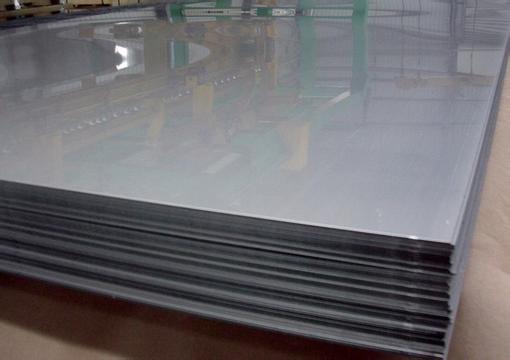
Chemical Composition
| Element | R04200-Type 1 Reactor Grade Unalloyed Niobium | R04210-Type 2 Commercia Grade Unalloyed Niobium | 3R04251-Type 3 Reactor Gradeniobium Alloy Containing 1 % Zirconium | R04261-Type 4 Commercial Gradeniobium Alloy Containing 1 % Zirconium |
5
(3RHigh Purity Niobium Superconducting Level
R0xxxx
|
| Maximum Content%(Unless Otherwise Specified) | |||||
| Per spindle | |||||
| Carbon | 0.01 | 0.01 | 0.01 | 0.01 | 0.0030 |
| Nitrogen | 0.01 | 0.01 | 0.01 | 0.01 | 0.0030 |
| Oxygen | 0.015 | 0.025 | 0.015 | 0.025 | 0.0040 |
| Hydrogen | 0.0015 | 0.0015 | 0.0015 | 0.0015 | 0.0005 |
| Zirconium | 0.02 | 0.02 | 0.8~1.2 | 0.8~1.2 | 0.010 |
| Tantalum | 0.1 | 0.3 | 0.1 | 0.5 | 0.1 |
| Iron | 0.005 | 0.01 | 0.005 | 0.01 | 0.005 |
| Silicon | 0.005 | 0.005 | 0.005 | 0.005 | 0.005 |
| Tungsten | 0.03 | 0.05 | 0.03 | 0.05 | 0.007 |
| Nickel | 0.005 | 0.005 | 0.005 | 0.005 | 0.003 |
| Molybdenum | 0.010 | 0.020 | 0.010 | 0.050 | A |
| Hafnium | 0.02 | 0.02 | 0.02 | 0.02 | A |
| Titanium | 0.02 | 0.03 | 0.02 | 0.03 | 0.005 |
| Boron | 2ppm | … | 2ppm | … | |
| Aluminum | 0.002 | 0.005 | 0.002 | 0.002 | 0.005 |
| Beryllium | 0.005 | … | 0.005 | … | |
| Chromium | 0.002 | … | 0.002 | … | B |
| Cobalt | 0.002 | … | 0.002 | … | B |
|
A.Above the specified limit is suitable for 3 R is larger than 260
B.All metal residues will be analyzed. If specified, maximum should be 0.005%. Residue
refers to the inherent few elements in the metal or alloy in the process of manufacturing without intentions to add. |
|||||
Niobium Alloy Seamless And Welded Tubes
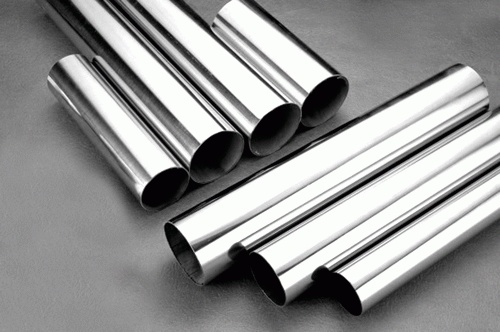
Chemical Composition
| Element |
R04200-Type
Gradeunalloyed |
R04210-Type 2 Commercial |
3R04251-Type 3 Reactor Grade
Niobiumalloy 1 %Zirconium |
R04261-Type 4
Commercialgrade Niobium Zirconium |
| Maximum Content%(Unless Otherwise Specified) | ||||
| Per spindle | ||||
| Carbon | 0.01 | 0.01 | 0.01 | 0.01 |
| Nitrogen | 0.01 | 0.01 | 0.01 | 0.01 |
| Oxygen | 0.015 | 0.025 | 0.015 | 0.025 |
| Hydrogen | 0.0015 | 0.0015 | 0.0015 | 0.0015 |
| Zirconium | 0.02 | 0.02 | 0.8~1.2 | 0.8~1.2 |
| Titanium | 0.1 | 0.2 | 0.1 | 0.2 |
| Iron | 0.005 | 0.01 | 0.005 | 0.01 |
| Silicon | 0.005 | 0.005 | 0.005 | 0.005 |
| Tungsten | 0.03 | 0.05 | 0.03 | 0.05 |
| Nickel | 0.005 | 0.005 | 0.005 | 0.005 |
| Molybdenum | 0.010 | 0.010 | 0.010 | 0.010 |
| Hafnium | 0.02 | 0.02 | 0.02 | 0.02 |
| Boron | 2ppm | … | 2ppm | … |
| Aluminum | 0.002 | 0.005 | 0.002 | 0.005 |
| Beryllium | 0.005 | … | 0.005 | … |
| Chromium | 0.002 | … | 0.002 | … |
| Cobalt | 0.002 | … | 0.002 | … |
|
A. If specified, the maximum content of all the residual elements from every metal will to
be analyzed should be 0.004%. Residue refers to the inherent few elements in the metal |
||||